Cultural Practices and Festivals in Villages

Traditional Vietnamese villages are vibrant communities where cultural practices thrive. Festivals play a significant role, as each village may celebrate its unique events, often tied to agriculture, local gods, or historical events. These festivals not only showcase elaborate rituals and offerings but also serve as a time for villagers to come together, express gratitude, and strengthen community bonds.
The atmosphere during these festivals is electric, filled with traditional music, dance, and colorful costumes. Villagers prepare weeks in advance, creating delicious local foods and setting up decorations. This celebration serves as a reminder of the rich historical narratives that shape each village’s identity and ensures the passing down of cultural knowledge to future generations.
The Artisan Skills: Craftsmanship and Traditions

Vietnam’s traditional villages are renowned for their artisan skills, with many locals continuing age-old crafts such as pottery, weaving, and wood carving. These crafts not only represent artistic expression but also carry deep cultural significance, often reflecting the values and lifestyles of the communities.
For example, in villages like Bat Trang, the art of pottery-making has been passed down through generations. Visitors can witness artisans at work, creating beautifully crafted ceramics that embody both functionality and aesthetic beauty. Engaging with local artisans, tourists find a unique opportunity to learn about these traditions while promoting the preservation of their skills.
Social Structure and Community Life

At the heart of traditional Vietnamese villages lies a strong sense of social structure and community life. Villagers often live and work closely together, forming a close-knit community where everyone knows one another. This safe environment fosters supportive relationships and a deep sense of belonging among residents.
Community efforts are a prominent aspect of village life in Vietnam, reflecting a culture deeply rooted in collaboration and mutual support. Villagers often come together to collaborate on agricultural practices, sharing techniques and knowledge to enhance productivity during harvest seasons. Furthermore, they also organize various events, such as traditional festivals and communal gatherings, fostering a strong sense of togetherness.
During challenging times, whether facing crop failures or personal hardships, the spirit of camaraderie shines brightly. Villagers rally around those in need, offering assistance in various forms, from providing food and shelter to lending a helping hand with labor-intensive tasks. This unwavering support illustrates the profound values of unity, compassion, and resilience that both define and uplift Vietnamese communities.
The Scenic Beauty of Vietnam’s Rural Landscapes

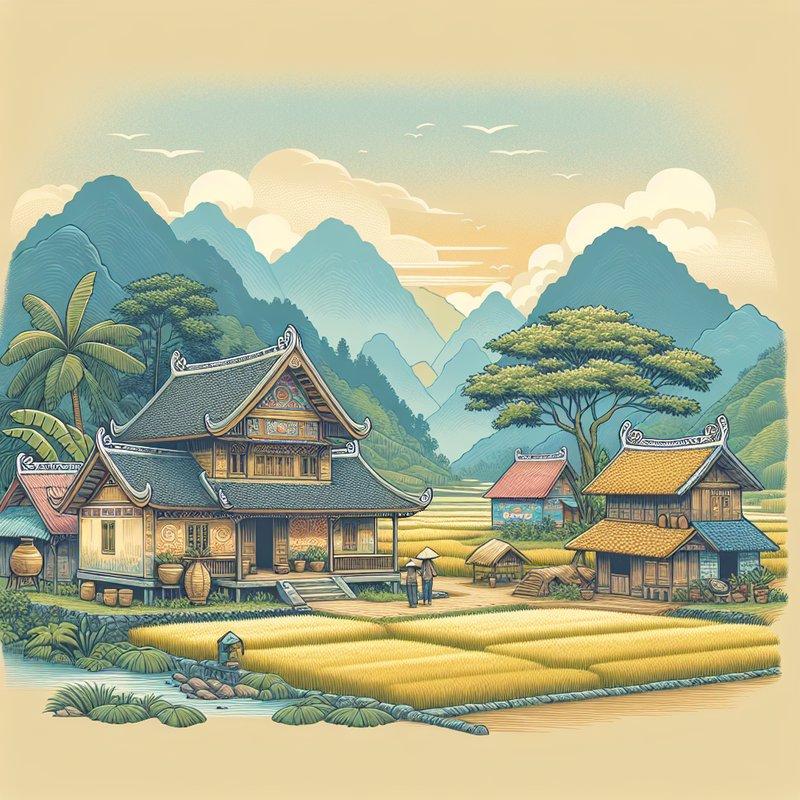
Vietnam’s rural areas are breathtaking, marked by scenic beauty that enchants visitors. Terraced rice fields, lush green hills, and winding rivers create a picturesque backdrop that perfectly complements village life. The tranquility of these landscapes is a stark contrast to the bustling urban areas, offering a perfect escape for those seeking solace in nature.
Exploring these scenic villages unfolds opportunities for outdoor activities such as hiking, biking, or simply enjoying the fresh air. The splendid natural environment invites travelers to engage with the land, providing a deeper appreciation for the harmony between the villagers and their surroundings. It’s a reminder that the beauty of Vietnam is not only found in its famous landmarks but also in the peaceful rhythms of rural life.
Leave a Reply