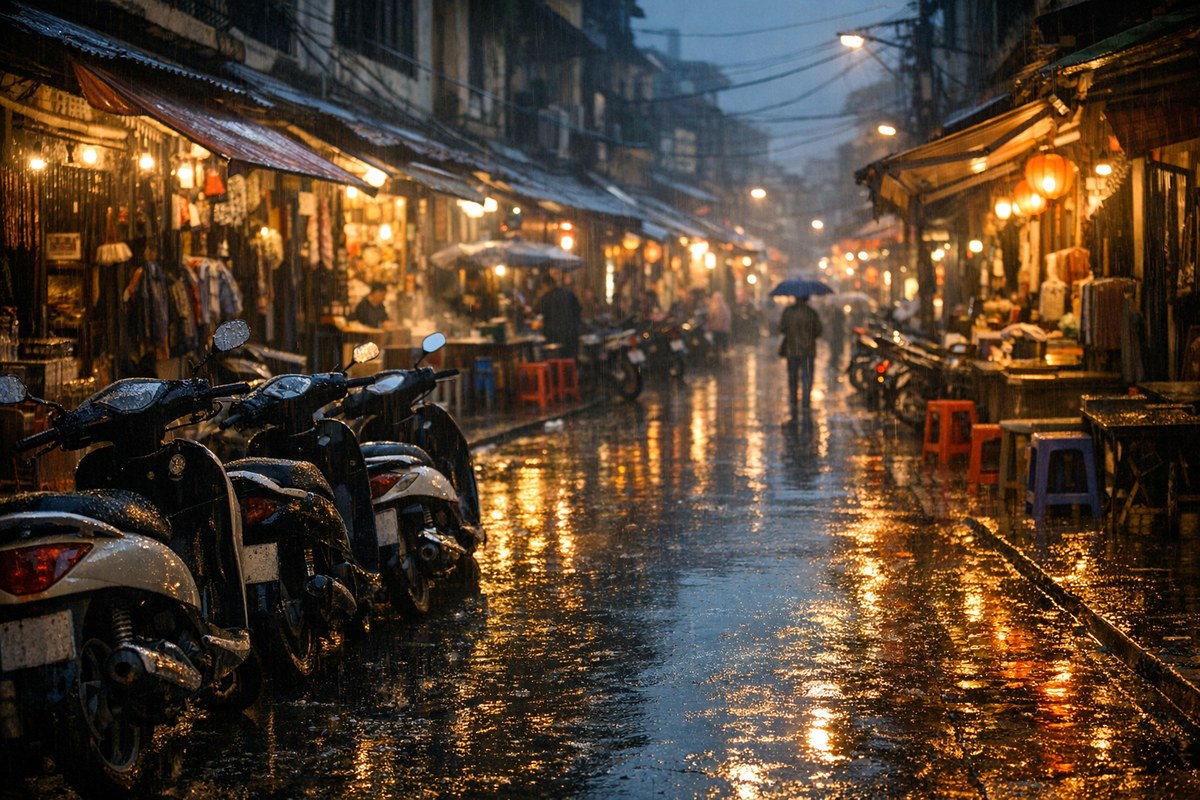
Vietnam travel insurance is the least romantic item on your packing list and, quietly, one of the most important. Picture it: a rain-slicked mountain road above Sapa, a stomach bug after a glorious street-food binge, a typhoon that cancels your Ha Long Bay cruise. Most trips unfold without a hitch, but the ones that do not are the reason a good policy exists. This guide explains what to look for, which Vietnam-specific traps to avoid, and how to claim smoothly, so you can focus on rice terraces and not paperwork.
Vietnam Travel Insurance: Do You Really Need It?
The short answer is yes, and not because Vietnam is dangerous. It is warm, welcoming and, by most measures, a safe place for visitors; our travel safety and scams guide covers the everyday risks in detail. The case for insurance is simpler: medical bills abroad can be steep, evacuation flights are staggeringly expensive, and many things that can go wrong, from a lost camera to a cancelled flight, are outside your control.
At the time of writing, Vietnam does not list travel insurance as a requirement for tourist visas, but rules can change, so always confirm the latest conditions on the official Vietnam e-visa portal and read our Vietnam visa guide before you book. Even without a legal requirement, airlines, tour operators and some credit cards may have their own conditions, and cover is the only sensible way to protect an expensive trip.
- Medical care in major cities is good, but private international hospitals can be costly for uninsured visitors.
- Remote areas such as Ha Giang, Ba Be and Dien Bien may be hours from a well-equipped hospital.
- Weather, from typhoons to monsoon flooding, can disrupt flights, ferries and tours.
Think of insurance as the quiet travel companion who never complains, never takes up luggage space, and shows up only when you need a hand.
What Vietnam Travel Insurance Should Cover
Policies vary wildly, and the cheapest is rarely the best. Start with the essentials. Emergency medical cover is the heart of any policy, and for Southeast Asia you should look for generous limits, because treatment in international clinics and the cost of repatriation can climb quickly. Medical evacuation, getting you to a hospital in Hanoi, Ho Chi Minh City or even Bangkok or Singapore if required, is the second pillar and the one people most often underestimate.
Next comes trip cancellation and interruption. Vietnam’s weather has moods: the north can be cold and foggy in winter, the centre sees typhoons in autumn, and the south has its steady wet season. Our guides to the best time to visit Vietnam and to travelling in the rainy season help you plan wisely, but if a storm grounds flights or closes a cruise, trip-delay and cancellation cover can recoup your costs. Finally, check baggage and personal belongings cover, especially if you carry a camera, drone or laptop. Items stolen from a motorbike basket or a beach bag are common claims.
- Medical and hospital costs: choose high limits for emergency treatment, including dental pain relief.
- Emergency evacuation and repatriation: a must for trekking and island trips.
- Cancellation, delay and missed connections: especially if you stitch together domestic flights; our domestic flights guide explains why delays happen.
- Baggage, gadgets and passport replacement: check per-item limits and the need for receipts.
- 24/7 assistance line: keep the number saved offline.

Motorbikes and Adventure Activities: Read the Fine Print
This is where Vietnam travel insurance gets truly specific. Vietnam runs on two wheels, and few experiences feel as liberating as the Ha Giang Loop or a coastal ride along the Hai Van Pass. But many insurers exclude motorbike accidents unless you hold the correct licence, and a foreign car or motorcycle licence alone may not satisfy their conditions. Always check that your policy explicitly covers riding in Vietnam, specifies engine size limits, and confirms what licence is required. Our motorbike rental guide explains the licensing rules in plain language, and you should wear a proper helmet every time; many policies refuse claims when basic safety rules are ignored.
Adventure activities follow the same logic. Everyday sightseeing is covered by default, but trekking above a certain altitude, kayaking, rock climbing and paragliding can be classified as “hazardous” and need an add-on. If you dream of trekking Fansipan, paragliding over Mui Ne, climbing at Cat Ba or paddling the country’s waterways, read the activity list carefully and buy the right level of cover before you leave home.
Two more details trip up travellers. Alcohol exclusions are common, so a mishap after a few too many beers on a rooftop bar can void a claim. And pre-existing medical conditions usually need to be declared; an honest declaration may cost a little more, but it protects you when it matters.
Healthcare in Vietnam: What to Expect Before You Claim
Vietnam’s healthcare is a patchwork. In Hanoi, Da Nang and Ho Chi Minh City you will find well-regarded private and international hospitals, English-speaking doctors and modern equipment. In smaller towns, public hospitals are crowded and basic, and in the mountains the nearest decent clinic can be a long drive. Pharmacies are everywhere and staff can often suggest remedies for minor complaints, but it is wise to bring a basic first-aid kit and any prescription medicines in their original packaging.
Private hospitals typically ask for payment or a guarantee from your insurer before treatment, particularly for non-emergency care. For serious issues, your insurer’s assistance line can sometimes arrange direct billing, which saves you from paying thousands out of pocket. For routine matters such as a minor infection, expect to pay first and claim later. Our Vietnam health guide covers vaccinations, safe water and pharmacies, and it is well worth reading with your policy beside you.
One practical tip: dengue fever circulates in parts of Vietnam, especially in the wet season. Mosquito repellent, long sleeves at dusk and quick medical attention for high fever are your best defences, and your insurer will want to see medical records if you claim. Keep every report, prescription and receipt.
Families and groups have a few extra things to weigh. Children are usually covered under a family policy at little or no extra cost, but check the age limits. If you are travelling with older relatives, look closely at age caps and medical screening, because premiums and exclusions can change sharply after a certain age. Couples on a honeymoon may want cancellation cover that includes non-refundable resort deposits; our honeymoon guide and family travel guide show how those trips often combine beach, culture and a little adventure, all of which are worth covering.
Finally, remember that cover is only as good as your ability to use it. Before you fly, email yourself a PDF of the policy, store the assistance number in your phone, and tell a family member where to find it. If you are ever unwell in a rural homestay, knowing exactly whom to call transforms a stressful night into a manageable one.

How to Choose and Buy Vietnam Travel Insurance
Begin with your itinerary, not the price. List the activities you plan to do, the regions you will visit, how long you are away and the value of the gear you carry. Then compare policies on four things: medical and evacuation limits, activity and motorbike exclusions, excess (deductible) amounts, and how claims are processed. Policies that look cheap often hide low sub-limits for electronics or exclude the very activities you came to do.
Buy as soon as you book your flights, because cancellation cover usually starts at purchase and some benefits only apply to events that occur afterwards. If you are on a long trip, an annual or long-stay policy can be more economical than repeated short ones, and digital nomads should look into plans built for extended travel; our digital nomad guide explains what to consider. Check what credit-card benefits already provide, as these can overlap or leave gaps, and keep a digital copy of your policy, emergency number and policy number in your email and phone.
- Read the exclusions list first; it tells you the real story.
- Confirm motorbike, trekking and water-sport coverage in writing.
- Note the excess and any limits per item for cameras and phones.
- Save the assistance hotline and policy number offline.
Planning a budget? Insurance is a small slice of the whole. Our Vietnam on a budget guide shows how to travel well while still setting aside what matters.
How to Make a Travel Insurance Claim in Vietnam
When something goes wrong, stay calm and call your insurer’s 24-hour assistance line first, particularly for hospital admissions. They can guide you to approved facilities and advise whether they will guarantee payment. For theft, report the loss to the local police and ask for a written report, which most insurers require before they will pay for stolen items. For delays and cancellations, ask the airline or tour operator for written confirmation of the reason and duration.
Keep everything: boarding passes, receipts, medical notes, photographs of damaged goods, and the names of anyone who helped. Submit claims promptly, as there are time limits, and respond quickly to any request for extra documents. If a claim is refused, ask for the reason in writing and check it against your policy wording; mistakes happen, and a polite follow-up often resolves them. For lost passports, your embassy can issue emergency documents, and our money guide explains how to cope if a card is lost or stolen.
Frequently Asked Questions About Vietnam Travel Insurance
Is travel insurance mandatory for Vietnam?
As far as we know, travel insurance has not been a requirement for tourist visas, but rules can change. Check the official Vietnam e-visa portal and your airline’s conditions before you travel, and buy cover anyway for peace of mind.
Does travel insurance cover motorbike accidents in Vietnam?
Only if your policy says so. Many insurers exclude motorbike accidents unless you hold the correct licence for the engine size and wear a helmet, so read the wording carefully and confirm cover before you ride.
How much medical cover should I buy for Vietnam?
Choose a high medical limit and, above all, strong emergency evacuation cover, since the biggest costs come from serious injuries and transfers. Compare policies against your itinerary and activities rather than price alone.
What should I do if my belongings are stolen in Vietnam?
Report the theft to the local police, ask for a written report, keep receipts and photographs, and contact your insurer promptly. Most insurers will not process theft claims without a police report.
Travel Well, Travel Covered
Good Vietnam travel insurance will probably sit unused in your inbox for the entire trip, and that is exactly how you want it. It frees you to say yes to the sunrise trek, the borrowed fishing boat, the extra day in the mountains, knowing that a safety net waits below. Sort out your cover, then dive into the planning: our two-week North to South itinerary is the perfect place to begin, and the rest of the country is waiting.
This article is general travel information, not insurance or financial advice; always read your own policy wording and confirm details with your insurer.
Images in this article were generated using AI.
Leave a Reply